
How to Make Cyanotype Prints: Guide and Materials


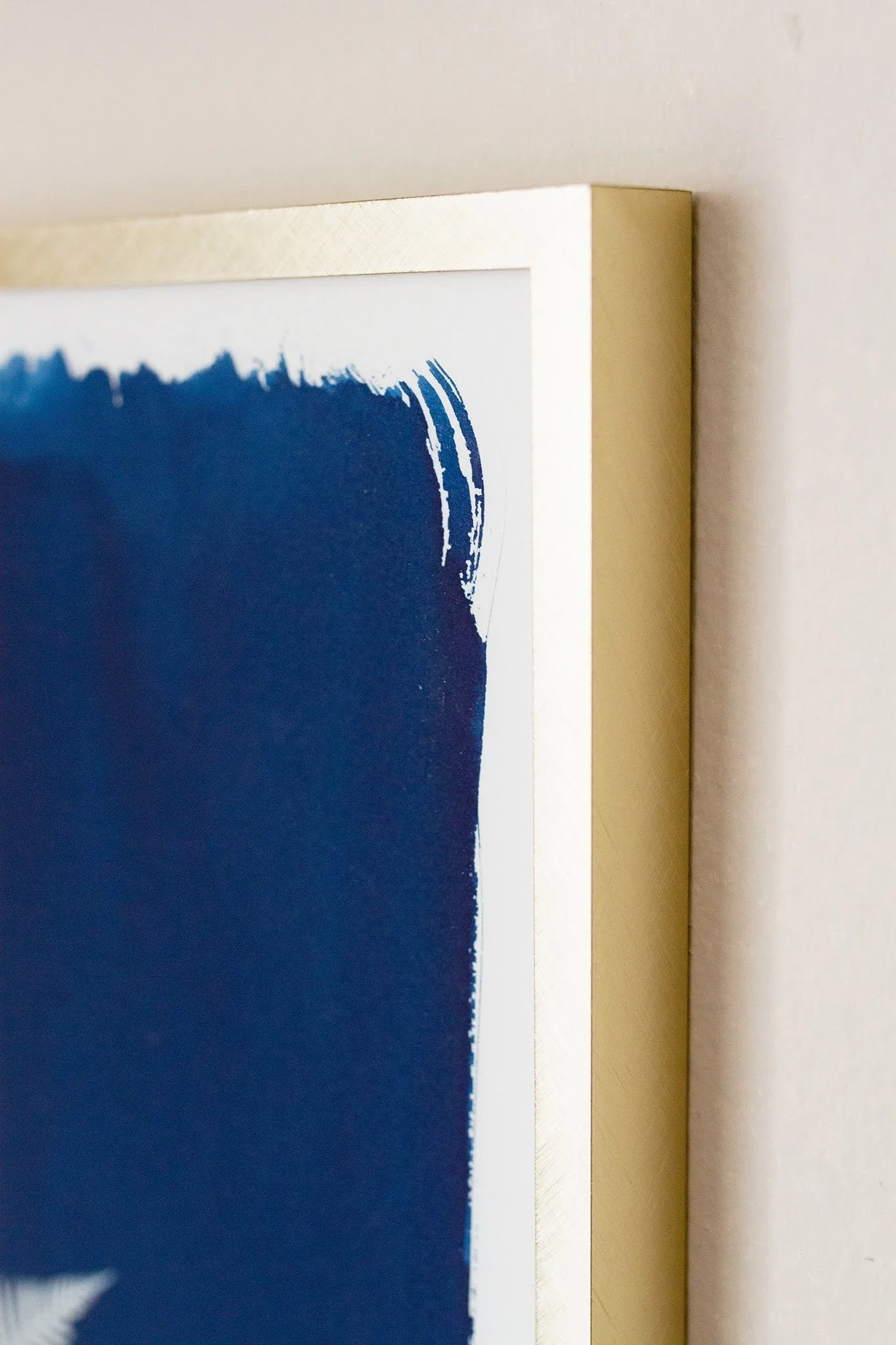

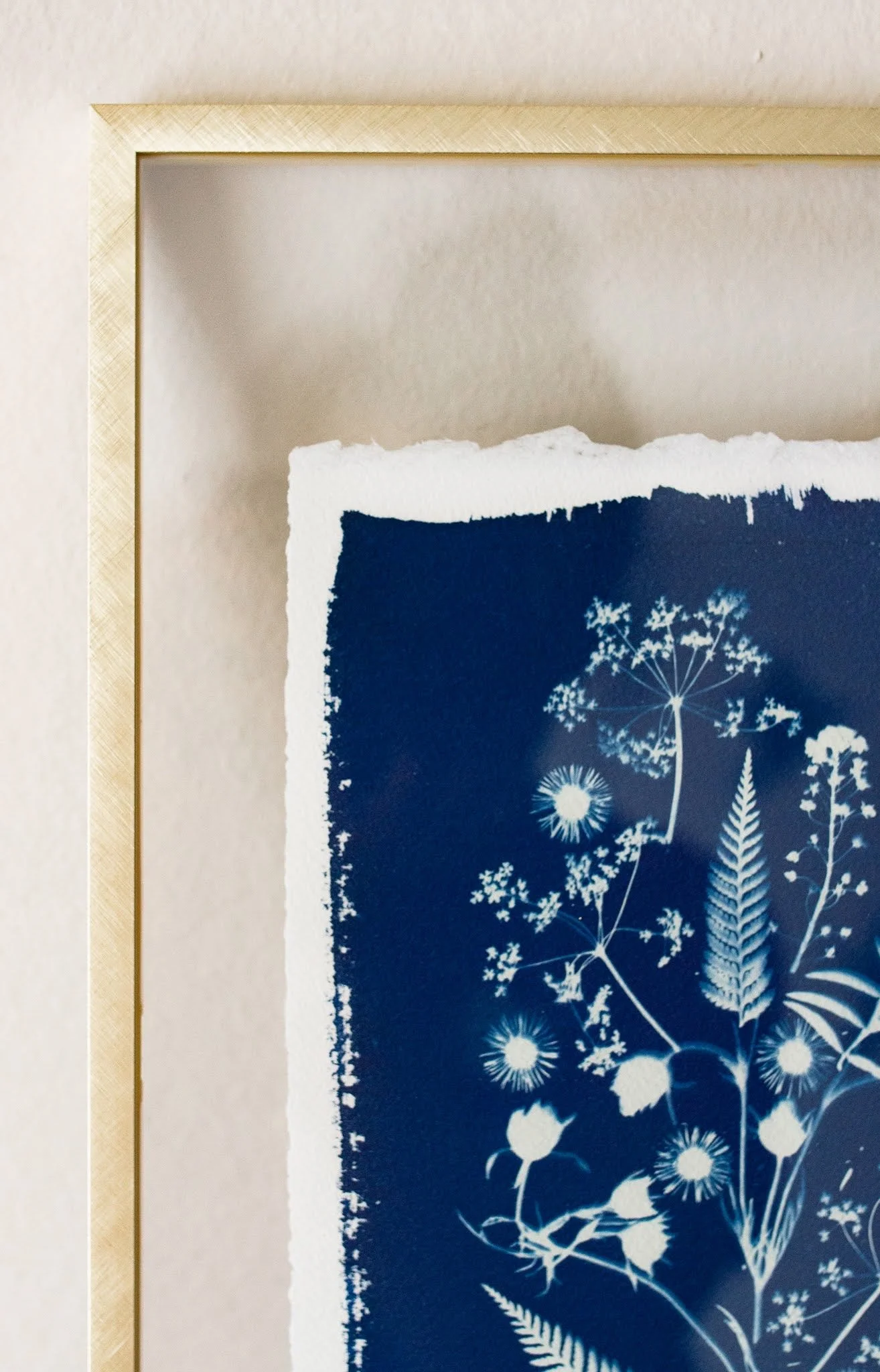


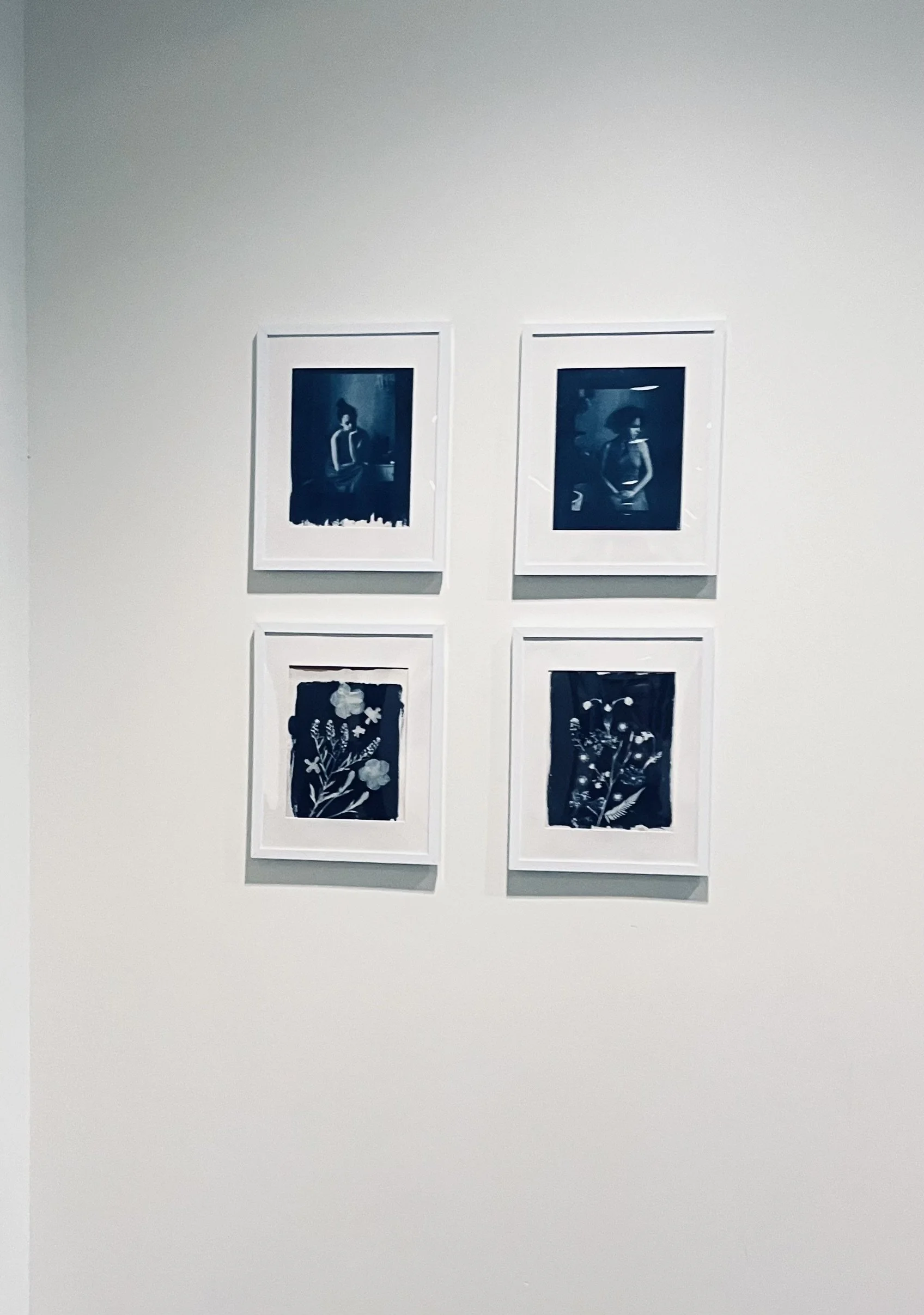


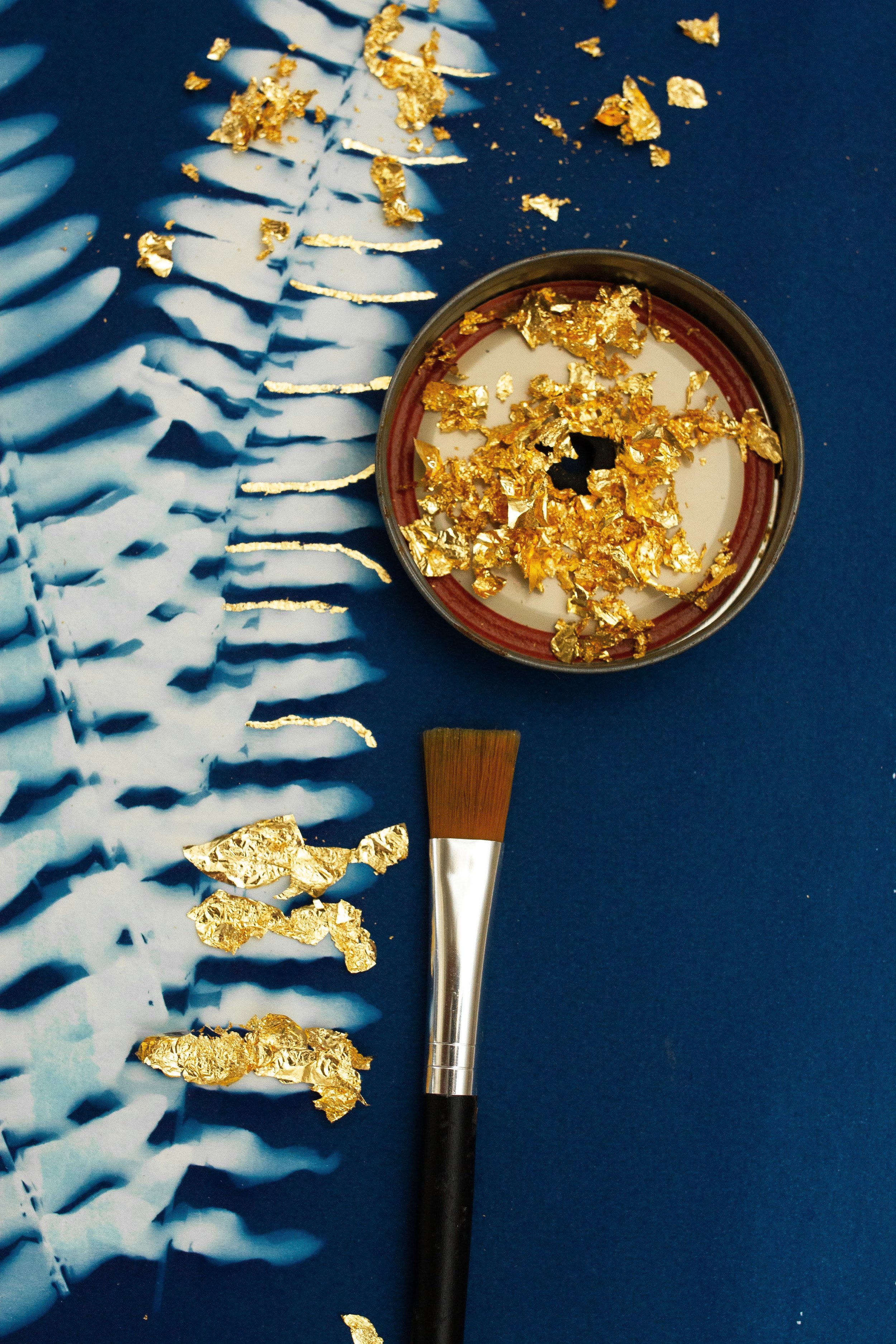
Back in 2019, I was drawn to learn how to create a cyanotype print. It was a form of therapy and creative outlet for me. It still is. I have been able to create beautiful art for homes and I have had the privilege of showcasing my work in Opus Tampa. Cyanotypes are one of the oldest and most beautiful photographic printing processes. They use iron-based chemicals and UV light to create rich Prussian blue prints. This guide walks you through exactly what you need and each step from start to finish.
What is a Cyanotype?
A cyanotype is a photographic print made by coating a surface with a light sensitive solution, placing objects or a negative image on top, and exposing it to UV light. When developed, the exposed areas turn deep blue, while the covered areas remain white or lighter blue. This technique is perfect for photographers, artist and crafters, homeschool projects, leaf, flower (plant material), and textured object prints.
Materials You Will Need
Chemicals
Potassium Ferricyanide (also known as Potassium Cyanoferrate/Solution A) and Ferric Ammonium Citrate (Solution B). These two chemicals form the light-sensitive solution that creates the cyanotype.

Tools & Supplies
Distilled Water (regular water is fine too)
Foam brush or soft paintbrush
Cyanotype Paper: watercolor or cotton rag paper (heavier paper works best)
Drying rack or clean area to let coated paper dry
UV lamp or direct sunlight
Contact frame, sheet of glass, or acrylic sheet
Tray or large container for rinsing in cold water
Timer
Optional
Pressed leaves, flowers, lace, or everyday objects
Digital negatives printed on transparency film
Gloves
Masking Tape
Step-By-Step Instructions
First, you will mix two separate solutions, then combine them right before coating. Follow the directions on the Cyanotype kit for solution A and solution B. Store each solution separately in the dark bottles the kit comes with. They keep for months. To create your sensitizer, mix equal parts of Solution A and Solution B in a small container. Prepare only what you need for the day, since this combined solution is light sensitive.
Next, coat your paper. In a dim room, use a foam brush to apply a thin, even coat of the mixed cyanotype solution to your paper. You can cover the entire printing area or brush artistically for organic edges. Let the watercolor paper dry completely in the dark space for at least 1-2 hours. You can prepare multiple sheets at once.
Then, arrange your composition. Once dry, your coated watercolour paper is ready. You can lay leaves, flowers, lace, or objects onto the paper. Place a piece of glass or acrylic on top to keep everything flat. I like to use two pieces of glass and use clips to keep the paper from moving. You can also use a digital negative on coated paper. Print your image as a high-contrast black and white negative on transparency film. Then place the negative directly on the coated paper. Cover it with glass for a sharp print.
Afterwards, you will expose your covered layout to UV light source. For full sun, you can expose for 10-20 minutes depending on sun strength. On cloudy days, you would need longer exposure time to get the beautiful print you are looking for. If you are using a UV lamp or box, you can expose for 3-10 minutes depending on the device power. Overexposing slightly is better than underexposing. The key is to experiment and have fun. So good luck finding your sweet spot.
Following exposure, you will develop your print. Developing is simple. Just rinse in water. If your are working outside, use your hose. You can also rinse at your kitchen sink. Rinse your print in cool running water for a good 5-10 minutes. Watch the yellow-green coating wash away and the blue deepen. You can also add an additional step and pour a little bit of hydrogen peroxide on to your print. Your print will have extra contrast. You will see that your print will instantly oxidize to it's final blue. Be sure to rinse the peroxide off. Once the water runs clear and the highlights look clean, the final print is done.
Finally, drying and curing is your final step. for the best drying process, let the print dry flat. The blue will darken over an amount of time, typically 24-48 hours.
Tips for Best Results
1. Paper choice matters. Watercolor paper (cold-pressed or hot-pressed) is ideal. Thin papers may warp or tear.
2. Use pressed leaves. Flat leaves (organic material) and flowers create the best cyanotype impressions.
3. Avoid indoor light when coating. Regular indoor lighting is usually safe, but avoid direct sunlight or strong UV sources
4. Experiment with tones. You can tone cyanotype photography using tea, coffee, wine, and tannin-rich botanicals. Toning can create browns, purples, and charcoal hues.
Cyanotype printing is a beautiful blend of photography, art, and science. Sun prints are easy to do at home with just a few materials. Once you master the basic process, you can experiment with toning, alternative papers, fabrics, or more advanced photographic negatives. The Bluest of Blues is one of my favorite books about cyanotypes. I highly recommend adding it to your collection regardless your age to learn more about the first photographic images made by Anna Atkins. Good luck!
Affiliate Disclosure: This article contains affiliate links to camera gear and lenses. If you click through and make a purchase, I may earn a commission. This helps me continue creating free photography content for readers like you — thank you for your support!
