What Is a Cyanotype & How I Make Them | A Year in Blue
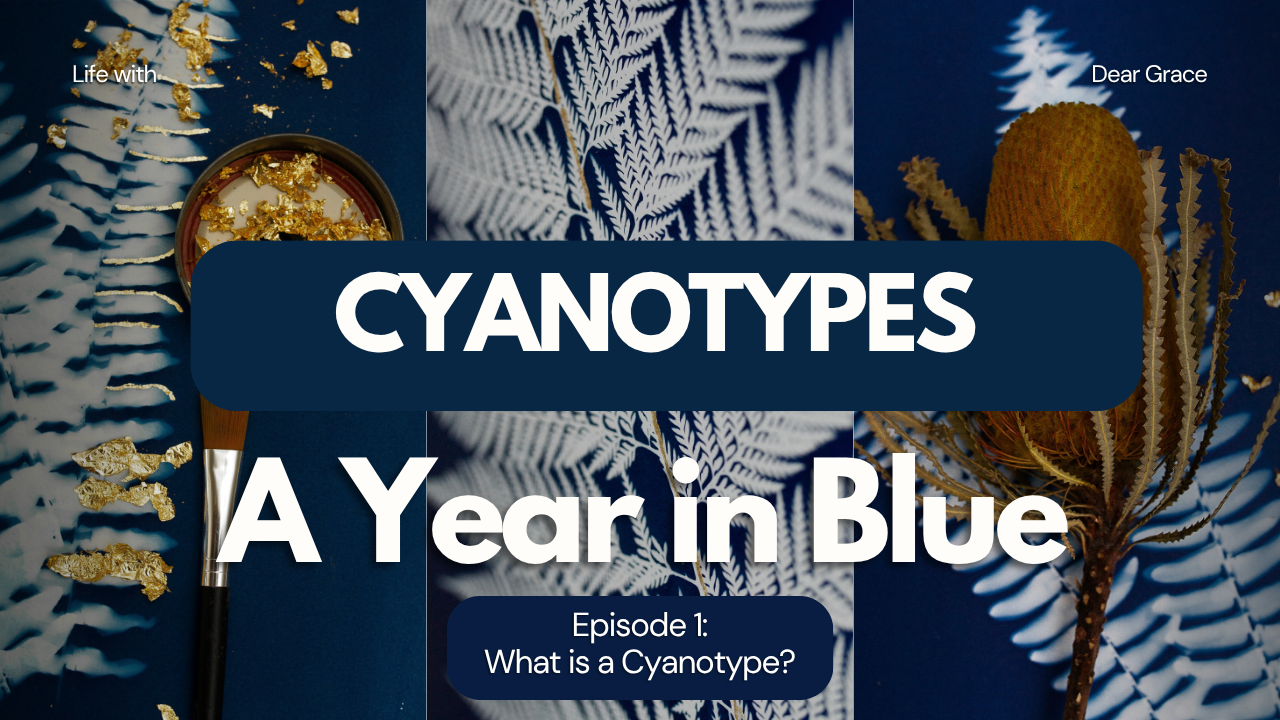
Youtube: What Is a Cyanotype & How I Make Them | A Year In Blue
What if I told you that the sun could make a photograph? That question is where I want to begin my new project, A Year in Blue. The cyanotype process has been part of my creative life since 2020. What started as a way to make art during an uncertain and difficult time became something much more meaningful. It gave me permission to slow down, step outside, notice the world around me, and simply breathe. Eventually, cyanotype prints helped tell a story that was much bigger than my own.
In 2020, life changed in ways none of us expected. The world became quieter, but for me, that didn't necessarily mean my mind became quiet. The news was loud. Issues were brought up that resonated with me. I needed something that would help me slow down. I found myself drawn to the simplicity of working with plants, sunlight, paper, and water. Since I was already gardening, cyanotypes gave me a reason to step outside and pay attention. I began noticing the shape of a leaf. The delicate veins in a flower. And as a photographer, the way the sunlight changed throughout the day, I learned to wait. I learned that sometimes the most beautiful things happen when you stop trying to control every part of the simple process.
So, what exactly is a cyanotype? A cyanotype is one of the oldest photographic printing process. Instead of using a traditional camera to create an image, cyanotypes use a light-sensitive solution (potassium ferricyanide and ferric ammonium citrate) and sunlight (uv light). You can coat cyanotype chemical solutions on watercolor paper or fabric with the solution and then place objects on top of the cyanotype paper. Leaves, flowers, feathers, lace, and other objects can all become part of the composition with the alternative photographic process. The sun, ultraviolet light, does the rest. After exposure, the paper is washed with cold water, and the image slowly transforms into that unmistakable Prussian blue. It's a process that feels magical. Even though I've made many cyanotypes over the years, I still love watching that transformation happen.
After reading more about the first female photographer, (photographer) Anna Atkins and how she made photographs of British algae, I realized that cyanotypes could do more than create beautiful images. They could tell stories. Plants have meanings. They can represent resilience, growth, strength, sacrifice, hope, and renewal. That realization eventually led me to create a body of work called The Wilderness. The project was deeply personal as it shared my mother's immigration story coming to the united states. I used plants and their symbolism to help tell my mother's immigration story and honor the resilience that shaped her life.
Something that had started as a creative practice became a way for me to explore family history, identity, immigration, and strength that can be carried from one generation to the next. Then something beautiful happened. The artwork created conversations. People connected with the story behind them. It opened the door for conversations about immigration, family resilience, belonging, and the experiences that shape who we become. That was when I truly understood that art can be a bridge.
Why am I beginning A Year in Blue? After everything cyanotypes have meant to me, I've decided to return to the process in a new way. A Year in Blue is my opportunity to spend an entire year exploring cyanotypes, nature, photography, and storytelling. I want to experiment. I want to try new techniques with cyanotype impressions and not just on paper. I want to work with different plants and objects. I want to revisit ideas I've had for years. I expect some things not to work. That's part of the process. Every cyanotype teaches me something. Sometimes it's about exposure times. Sometimes it's about composition. Sometimes it's about accepting an unexpected result and realizing that the "mistake" might actually be the most beautiful part.
More than anything, I hope this project reminds me, and maybe reminds you, that we don't always have to rush. There is something wonderful about making art that depends on the sun. you can't force the clouds to move. You can't make the sunlight behave exactly the way you want. You have to wait. You have to observe. You have to accept what the day gives you. That's part of why cyanotypes have remained so meaningful to me. They taught me that slowing down isn't wasted time. Sometimes, slowing down is where the story begins. Let's see what the light gives us.
This first episode of Year in Blue is an introduction, not just to cyanotypes, but to why I keep coming back to them. Over the coming year, I'll be sharing the process, the experiments, the finished pieces, the failure, and the stories behind the work. Maybe you will discover cyanotypes for the first time. Maybe you'll be inspired to make one yourself. As a matter of fact, I encourage you to join me. Spend some time slowing down with me. Whatever brings you here, I'm glad you're here. Let's see what the light gives us this year.
If you'd like to see me talk about cyanotypes and the story behind A Year in Blue, you can watch the first episode on my YouTube channel. If you are creating cyanotypes yourself, I'd love to hear from you. And if you are new to cyanotype printing and would like to join me, you can find my list to Make Cyanotypes HERE.
If you want to prepare yourself to gather all the things that you will need to join me, I have compiled a list below of things you will need. Don't be afraid to try something new. Don't be afraid to make mistakes. This is part of the journey. I promise, you will fall in love with some of those mistakes and you will know what to do different next time.
What You will Need:
Cyanotype Solution: These cyanotype kits come with solution a and solution b. You will use equal parts of these solutions. This tool will give you the chemical reaction for this project.
Watercolor Paper: This paper will provide you with a good quality paper for this alternative process.
Hake Brushes or Sponge Brush: This will allow you to put the chemicals on paper smoothly.
Acrylic Sheets: This will help you keep your paper and plants flat.
Paper Clips: This will keep your acrylic sheets together so they don't move.
UV Exposure Unit Light: This light source will allow you to create a sun print indoors if it’s raining. It’s not necessary but it is helpful when you’re feeling creative on a rainy day.
Affiliate Disclosure: This article contains affiliate links to photography gear and cyanotype tools. If you click through and make a purchase, I may earn a commission. This helps me continue creating free photography content for readers like you — thank you for your support!
